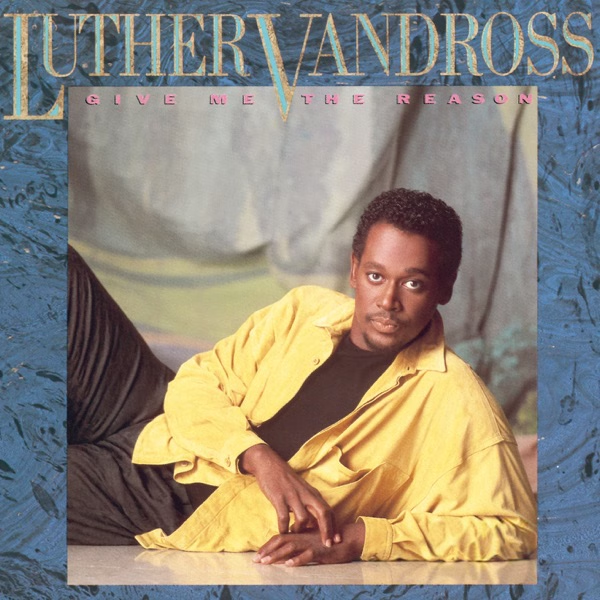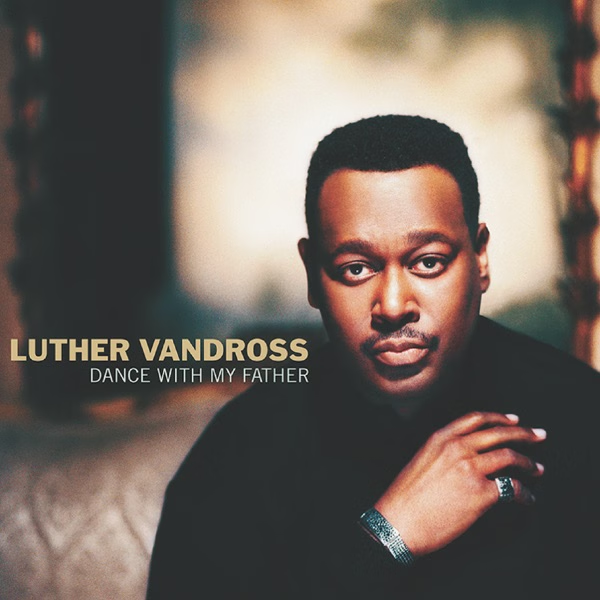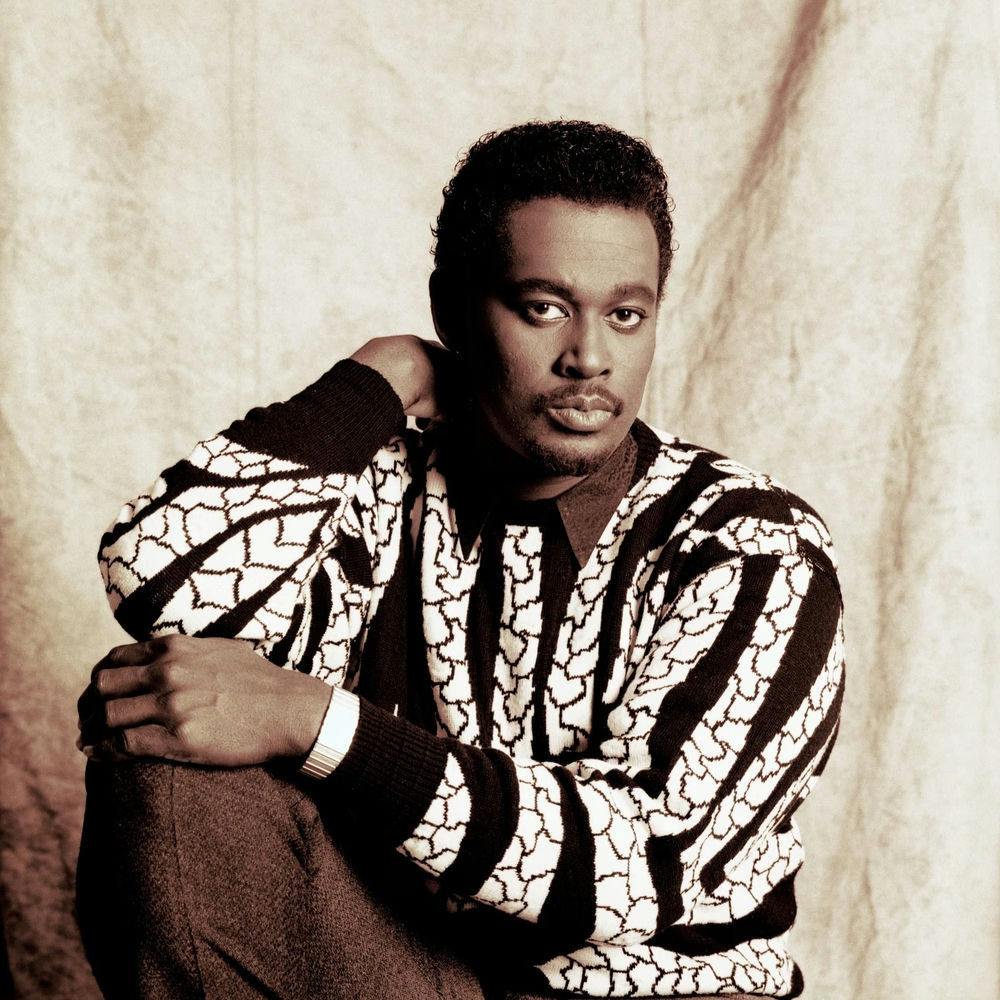
The voice that turned romance into architecture. Luther Vandross -- built his career on ballads that did not apologize for their own beauty. He sang about love like it was the only thing worth singing about.
Every phrase was measured. Every run was earned. He was the velvet hammer of quiet storm R&B, a singer who could make a crowded arena feel like a bedroom at 2 a.m. Nobody else worked that space the same way.
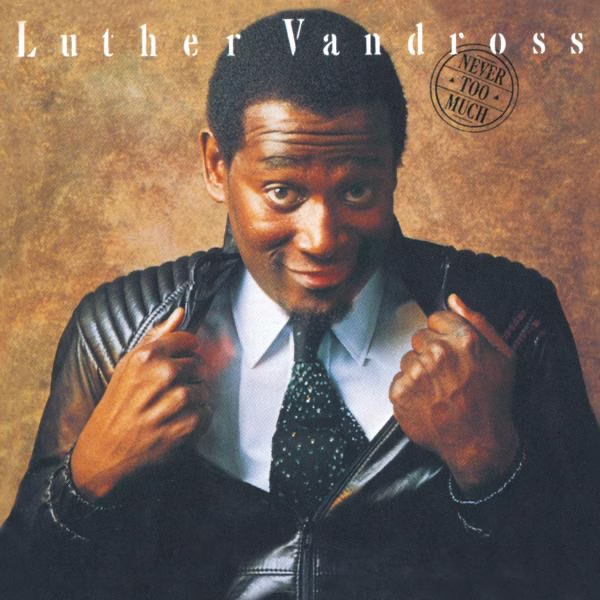
The cost of that voice was the shadow of the songs he did not write. Vandross started in the New York session scene, singing jingles and backing vocals for David Bowie, Bette Midler, and Chic. He was a craftsman before he was a star, learning the studio from the inside out. His debut album "Never Too Much 0:30" in 1981 established him as a solo force with a sound already fully formed. But the industry wanted him to be a cover artist, a crooner of standards who would reinterpret old songs for a new audience. He fought for original material and won sometimes. He lost others. His weight was a constant target for critics who could not hear past his appearance. His sexuality was a rumor that the press would not drop. He carried all of it and still made every note sound effortless, as if the struggle never touched him.
"Never Too Much" is the peak -- a song that announces the arrival of a major talent in under four minutes. The bassline slides like silk. The vocal climbs through multiple registers. The chorus opens wide enough to swallow the whole room.
Vandross produced and arranged much of his own work, building layers of harmony that became his signature. He won eight Grammys over his career. He sold over 30 million records worldwide. "Here and Now" became a wedding standard played at ceremonies across the country. "Dance with My Father" won Song of the Year in 2004 -- a deeply personal track about the father he lost as a child. He worked with everyone from Aretha Franklin to Whitney Houston to Mariah Carey, holding his own with the greatest voices of his era.
Luther Vandross cost himself years of privacy and decades of unfair scrutiny in a business that judged his body before his voice. He died at 54 from complications of a stroke. The voice went quiet too soon. But the catalog holds. Those ballads do not age. Every R&B singer who tries to slow things down, who reaches for a high note with a quiver in the delivery, who wants to make a room full of strangers believe in love for a few minutes -- that is Luther's pocket they are borrowing. He earned it.
Luther Vandross was profiled in the documentary, Luther: Never Too Much, in 2024.